Table of Contents
Ask ten agencies how long does GEO take and you will hear ten different numbers, because the honest answer is that it depends on which AI systems you target, where your brand starts and how quickly changes go live. Some improvements can surface soon after they are published; others only appear once third-party signals build up or new model versions are released. At AtalosWeb we have managed search programs since 2017, and setting realistic expectations early is one of the most valuable things we do for any GEO engagement.
This guide explains why GEO timelines vary, which indicators move first, what to expect in each phase, and how to set checkpoints that show real progress without inventing deadlines.
💡 Key Takeaways
- Separate targets into live-retrieval platforms and training-data effects, because they move on different clocks.
- Track leading indicators such as crawl access, citations and cited sources before expecting leads.
- Measure your implementation speed; slow approvals delay results more than any algorithm.
- Agree phase-based checkpoints with specific criteria instead of a single deadline for “results”.
How Long Does GEO Take? The Short, Honest Answer
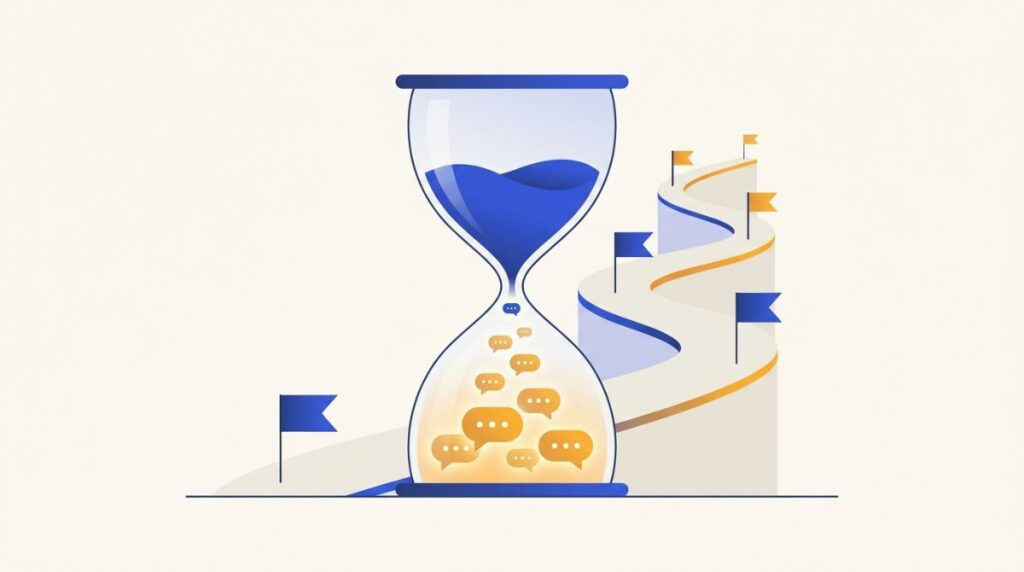
GEO usually shows early signals first and business results later, and no one can promise an exact date for either. Technical fixes and improved pages can be picked up relatively quickly by AI tools that search the live web, while broader changes in how models describe your brand take longer to build.
That is why a credible plan talks about phases and checkpoints rather than a single launch date. Anyone who guarantees you will be recommended by ChatGPT or cited in AI Overviews by a specific date is promising something outside their control. Our AI SEO and GEO agency services are built around staged goals for exactly this reason.
Why GEO Timelines Vary So Much Between Brands
GEO timelines vary because four factors differ from one brand to the next: starting authority, competition, implementation speed and platform mix. Two companies running the same program can see very different pacing.
- Starting authority: a brand that already ranks well, has strong reviews and appears in industry media gives AI engines plenty to work with. A newer or lesser-known brand has to build those signals first.
- Competition: in crowded categories, established competitors are already cited and you need clearly better or more specific sources to displace them.
- Implementation speed: recommendations do nothing until they are live. Development queues, legal review and slow approvals often add more delay than anything on the AI side.
- Platform mix: different AI tools retrieve and weigh sources differently, so progress on one platform does not guarantee the same pace on another.
🔍 From Our GEO Playbook
Track the date each recommendation is delivered and the date it actually goes live, side by side. In many programs the gap between those two dates is the single largest part of the timeline. Making it visible in every report turns a vague “GEO is slow” complaint into a specific, fixable bottleneck.
Live Web Retrieval vs Training Data: Two Different Clocks
AI answers draw on two broad sources, and each runs on a different clock. Live web retrieval can reflect your changes fairly soon after they are crawled; training data only changes when a model is retrained or updated.
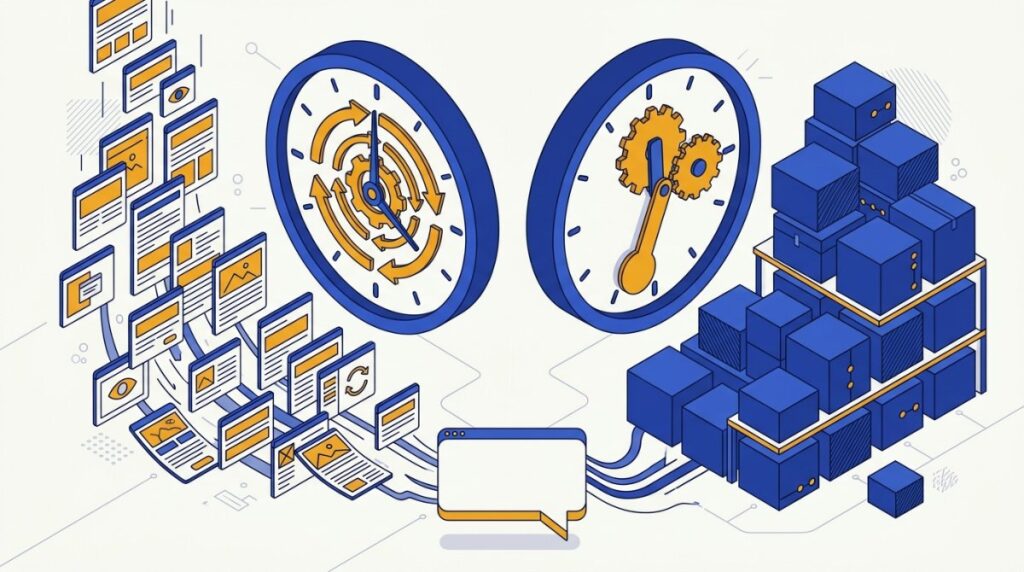
Live retrieval is used by tools that search the web while answering, such as Perplexity, ChatGPT with search, Google AI Overviews and AI Mode, and Copilot. When your pages are crawlable, clear and well supported, these systems can start citing them once they are indexed and judged relevant. This is where most early GEO wins appear.
Training data shapes what a model “knows” about your brand without searching. It reflects the web as it was when the model was trained, so improvements in your reputation, coverage and consistency show up only in later model versions. You cannot schedule these updates, which is why they belong in the later phase of any realistic plan.
Leading vs Lagging Indicators: What Moves First
Leading indicators move first and tell you whether the work is on track; lagging indicators move later and tell you whether it is paying off. Judging GEO only on lagging indicators in the early months leads to abandoning programs just before they work.
Leading indicators include AI crawler access in your server logs, indexing of new and updated pages, the first citations of your pages for tracked prompts, and your site appearing among the sources AI engines cite even when your brand is not named in the answer text. Lagging indicators include share of voice across your prompt set, accurate brand descriptions, AI referral sessions in analytics and, finally, enquiries and revenue from those sessions.
Want to know which indicators your brand already shows today? A baseline is the fastest way to set realistic expectations.
What to Expect in the Early, Middle and Later Phases
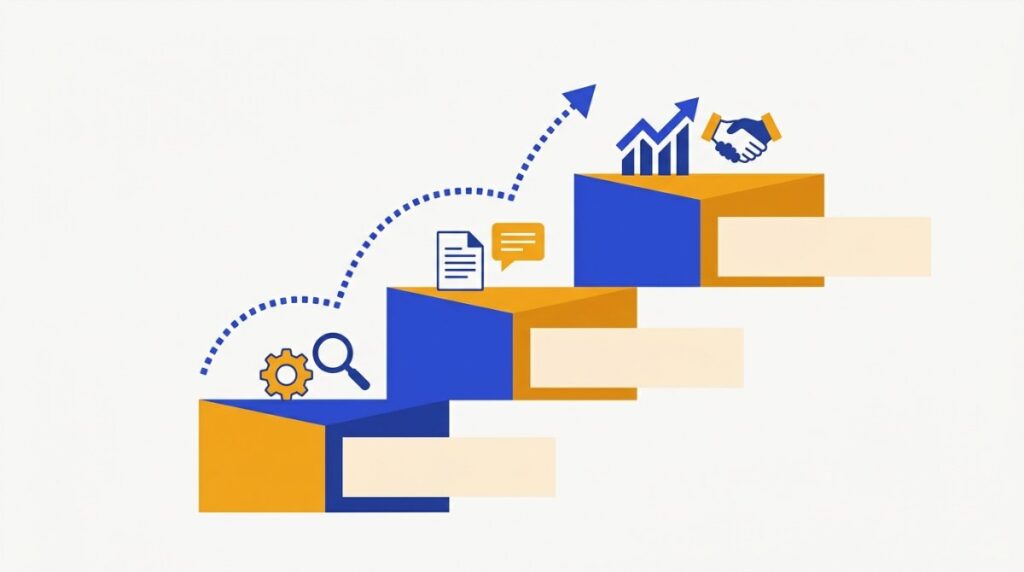
A GEO program typically moves through three phases, each with its own realistic expectations. The length of each phase depends on the factors above, so treat these as stages rather than dates.
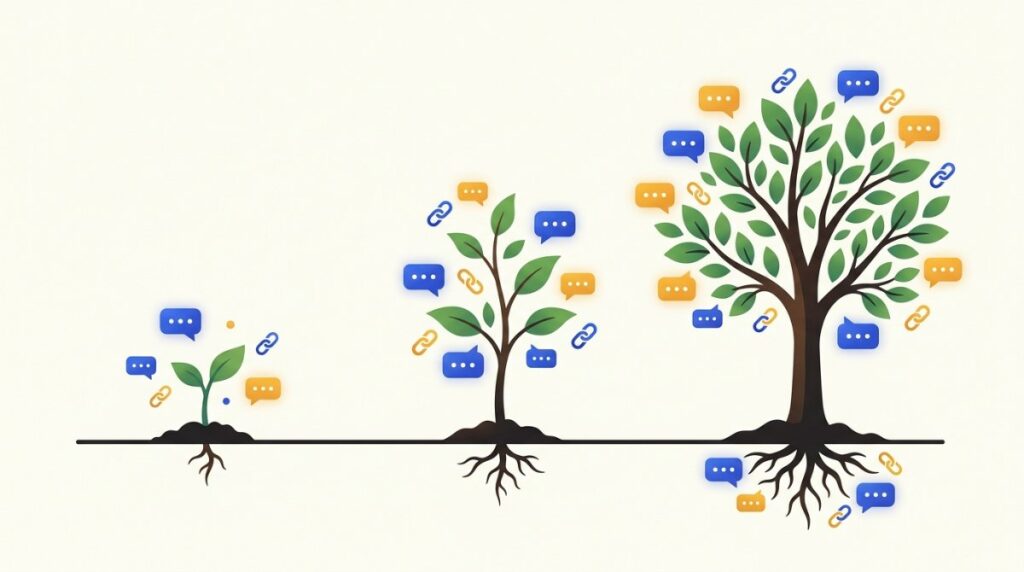
In the early phase, expect a baseline, technical fixes and a clean entity foundation, plus the first movement in leading indicators. In the middle phase, answer-first content and off-site work should produce more frequent citations on live-retrieval platforms and more accurate descriptions of your brand. In the later phase, gains should broaden across platforms and start showing up in referral traffic and enquiries. For a detailed breakdown of the work behind each stage, see our guide to what a GEO retainer looks like month by month.
| Phase | Main work | What typically moves | What usually has not moved yet |
|---|---|---|---|
| Early | Baseline, technical access, entity cleanup | Crawl access, indexing, first cited sources | Share of voice, leads |
| Middle | Answer-first content, first off-site work | Citations on live-retrieval platforms, description accuracy | Consistent visibility across all platforms |
| Later | Off-site signals at scale, iteration | Share of voice, AI referral traffic, enquiries | Effects tied to future model updates |
🔍 From Our GEO Playbook
Split your prompt set into two groups: prompts where competitors are already strongly cited, and prompts where no brand dominates the answer yet. The second group usually moves faster. Prioritizing it in the early phase gives you visible progress to report while the harder, more competitive prompts build in the background.
How to Set GEO Checkpoints That Keep Everyone Honest
Good GEO checkpoints are tied to specific, observable criteria, not to a calendar promise of “results”. Each checkpoint should state what should be true by then and what you will do if it is not.
- Foundation checkpoint: baseline complete, prompt set frozen, AI crawlers able to access key pages, analytics tracking AI referrals.
- Implementation checkpoint: agreed technical and entity fixes live, priority pages rewritten and published.
- Visibility checkpoint: measurable change in citations or cited sources for a defined share of tracked prompts compared with the baseline.
- Business checkpoint: AI referral sessions and resulting enquiries reported, with trends reviewed at each quarterly review.
If a checkpoint is missed, look first at implementation. When work is live and leading indicators are still flat, revisit the prompt set, the content format or the off-site targets. Answer-level work covered in our overview of AEO services is often the quickest lever to adjust.
🔍 From Our GEO Playbook
Write the checkpoints into the proposal before work starts, and have both sides sign off on the success criteria. When expectations are agreed in writing, a slower-than-hoped phase becomes a planning conversation rather than a dispute, and decisions about scope or budget are based on evidence instead of impatience.
Want a GEO plan with realistic phases and written checkpoints for your brand? Send us your goals and markets.

Frequently Asked Questions
How long does GEO take to show results?
There is no fixed timeline, because results depend on your starting authority, competition, implementation speed and the AI platforms you target. Early signals such as crawl access and first citations on live-retrieval platforms usually appear before business results. Broader changes in how models describe your brand take longer. A realistic plan uses phases and checkpoints rather than a single date.
Is GEO faster than SEO?
Sometimes, but not reliably. AI tools that search the live web can cite improved pages once they are crawled, which can make some GEO wins appear relatively quickly. However, many AI answers still rely on pages that already perform well in search, and on third-party signals that take time to build. GEO and SEO work best together rather than as a race.
Why does ChatGPT still describe my brand incorrectly after changes?
When ChatGPT answers without searching, it relies on training data that reflects the web at the time the model was trained. Your recent changes will not appear there until a later model version. When it searches the web, it can pick up newer information, but only if your pages are accessible and clear. Consistent descriptions across trusted third-party sources help both routes.
What are the first signs that GEO is working?
The first signs are usually leading indicators. These include AI crawlers accessing your key pages, new and updated pages being indexed, and your site appearing among the sources AI engines cite for tracked prompts. Brand mentions in the answer text often follow later. Referral traffic and enquiries are lagging indicators that typically come after these early signals.
Can an agency guarantee a GEO timeline?
No agency can honestly guarantee when AI platforms will cite or recommend your brand. The platforms, models and user contexts are outside its control. What an agency can commit to is a delivery schedule for its own work and clear checkpoints for measuring progress. Be cautious of any proposal that promises specific AI placements by a fixed date.