Table of Contents
Patients now ask AI assistants questions like “which dental clinic near me offers same-day appointments” or “what should I expect from an implant consultation”, and GEO for healthcare is how a practice becomes a trustworthy, accurate part of those answers. For dental and healthcare practices, that means clear clinic data, credentialed authors, genuine reviews and treatment pages that inform without overpromising.
Health is a high-stakes topic, so AI systems and search engines tend to be more cautious about which sources they trust. At AtalosWeb we have supported businesses with search visibility since 2017, and this guide focuses on responsible, compliance-aware ways for clinics to become visible in AI answers. It is marketing guidance, not medical or legal advice.
💡 Key Takeaways
- Have every treatment page written or reviewed by a named, qualified clinician, with a visible review date and a link to their bio.
- Keep your clinic’s name, address, phone, hours and services identical on your website, business profiles and healthcare directories.
- Answer common patient questions in plain language, while avoiding guarantees and directing individual cases to a consultation.
- Check your local advertising and healthcare marketing rules before publishing reviews, before-and-after images or outcome claims.

How Patients Use AI to Find Dental and Healthcare Care
Patients use AI assistants to understand treatments, compare options and shortlist nearby practices. Their prompts often combine a question about a procedure with practical details such as location, availability, language or cost expectations.
That creates two kinds of visibility for a practice. The first is informational: being a source AI assistants draw on when explaining what a treatment involves. The second is local and commercial: being named when a patient asks which clinic to visit. Both depend on accurate, trustworthy information, which is at the heart of our generative engine optimization agency work.
Because health content can affect people’s wellbeing, it falls into what search quality guidelines call “Your Money or Your Life” (YMYL) topics. The bar for accuracy, expertise and trust is higher, and shortcuts that might work in other industries can damage both visibility and reputation.
Why YMYL Caution and Accuracy Come First
In healthcare, accuracy is the strategy. AI assistants are more likely to reference sources that are clearly expert, carefully reviewed and consistent with established clinical information, and far less likely to repeat content that looks promotional or exaggerated.
Practical safeguards include having every clinical page reviewed by a qualified professional, citing reputable sources where you explain conditions or treatments, showing a clear “last reviewed” date, and correcting outdated information promptly. Avoid absolute language such as “painless”, “permanent” or “guaranteed results”, and never present general content as a substitute for an individual assessment.
🔍 From Our GEO Playbook
Create a simple clinical review log for your website: page, reviewing clinician, date reviewed and next review date. Assign each treatment page to a specific practitioner, display their name and review date on the page, and revisit the log every few months. It keeps content accurate, gives AI systems visible expertise signals and makes it easy to show who approved what.
Credentialed Authors, Reviewers and Clinic Entity Data
Credentialed authors and consistent clinic data tell AI systems who stands behind your information. A treatment page linked to a named dentist or physician, whose bio lists qualifications and registrations, carries more weight than an anonymous article.
Build a bio page for each clinician with their qualifications, areas of focus, professional memberships and languages spoken, and link it from every page they write or review. For expertise signals that also apply to other regulated professions, our guide to GEO for professional services covers author entities in more depth.

At the clinic level, use schema.org types such as Dentist, MedicalClinic or MedicalBusiness to describe your practice, including address, opening hours, contact details and services. Make sure these details match your business profiles and healthcare directories exactly, because conflicting information weakens trust signals.
Want to see how AI assistants currently describe your practice and your treatments? We can run a quick visibility check for your key patient questions.
Reviews and Local Listings That Build Patient Trust
Reviews and local listings are among the strongest signals AI assistants use when recommending a nearby practice. They confirm that the clinic exists, where it is, what it offers and how patients describe their experience.
Start with your core business profiles and relevant healthcare directories. Confirm that categories, services, hours, accessibility information and appointment links are complete and consistent. Our local SEO checklist covers the fundamentals that also support AI visibility.
Encourage honest reviews through a simple, consistent request after appointments, and respond professionally without disclosing any patient information. Be careful with incentives and with how you showcase testimonials, because rules differ between countries and professional bodies. When in doubt, check your local advertising rules before publishing.
🔍 From Our GEO Playbook
When responding to reviews, never confirm that the reviewer is a patient or mention any detail of their care, even if they shared it themselves. A short, warm reply that thanks them and invites them to contact the practice directly protects privacy and still shows AI systems and future patients that your team is attentive.

Treatment Pages That Answer Patient Questions Responsibly
Good treatment pages answer the real questions patients ask in plain language, while making clear that individual advice requires a consultation. They are informative, balanced and honest about what varies from person to person.
Structure each page around patient concerns: what the treatment is, who it may be suitable for, what happens during a typical appointment, common alternatives, recovery considerations in general terms, and how to book a consultation. Explain that suitability, risks and results depend on the individual, and avoid promising outcomes.
Add a short FAQ section to each treatment page using the questions patients actually ask your team, such as whether a procedure is uncomfortable, how many visits it usually takes, or how to prepare for a first appointment. Keep answers general, factual and consistent with what your clinicians say in person, and link to related treatments so patients and AI systems can understand how your services fit together.
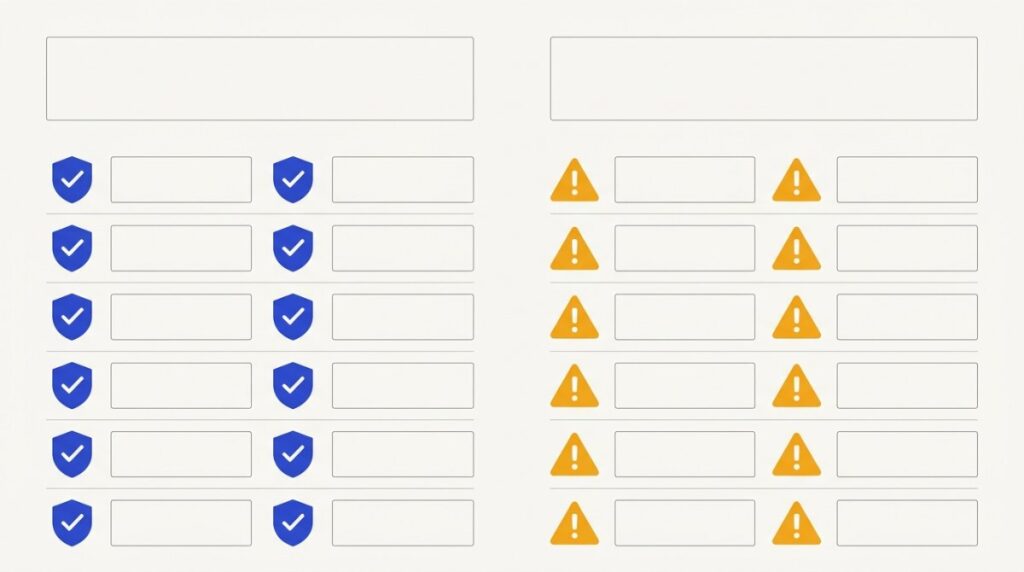
| Page element | Responsible approach | Approach to avoid |
|---|---|---|
| Opening answer | Plain explanation of what the treatment is and who it may help | Promises of guaranteed or permanent results |
| Authorship | Named clinician author or reviewer with a linked bio | Anonymous or purely marketing copy |
| Suitability | States that an assessment is needed for each patient | Implies everyone is a candidate |
| Risks and alternatives | Mentions that options and risks vary, with a prompt to discuss them | Leaves out alternatives or downsides |
| Reviews and images | Used in line with local rules and consent requirements | Before-and-after images or testimonials published without checks |
| Next step | Clear route to book a consultation | Pressure tactics or limited-time claims |
How to Keep Healthcare GEO Compliance-Aware
Healthcare GEO should be planned with compliance in mind from the start. Rules on advertising, testimonials, images, titles and claims vary by country, region and profession, so the same tactic can be acceptable in one market and restricted in another.
Before publishing, check your local advertising rules and the guidance of the professional bodies that regulate your practitioners. Keep an approval step for any page that mentions outcomes, pricing or comparisons. Treat patient privacy with the same care online as in the clinic: never publish identifiable patient details, images or stories without appropriate consent, and make sure any forms or booking tools handle personal data securely. Be equally cautious with agencies that promise specific placements; our list of AI SEO company red flags explains what to watch for.
🔍 From Our GEO Playbook
Before launching new treatment pages, ask one clinician and one front desk team member to read them together. The clinician checks accuracy and tone, while the front desk confirms the page answers what patients really ask on the phone. Pages that pass both reviews tend to be clearer for patients and more quotable for AI assistants.
Planning to make your practice more visible in AI answers, responsibly? Share your services and locations and we will prepare a tailored proposal.

Frequently Asked Questions
What is GEO for healthcare practices?
GEO for healthcare is the practice of improving how clinics and their information appear in AI-generated answers. It covers accurate clinic data, credentialed authors, reviews, local listings and responsible treatment content. The aim is for AI assistants to reference the practice accurately when patients ask questions or look for a provider. It must always respect local healthcare marketing rules.
Can AI assistants give patients wrong information about my clinic?
Yes, AI assistants can repeat outdated or incorrect details if they find conflicting information online. The most effective defense is consistency: identical clinic details on your website, business profiles and directories. Clear, current pages about services, hours and policies also help. Checking key prompts regularly lets you spot and correct problems early.
Should treatment pages include prices?
That depends on your practice, your market and local rules on advertising prices for healthcare services. If you publish prices, keep them accurate, explain what they include and note that final costs depend on an individual assessment. Outdated prices can mislead patients and AI assistants alike. Check your local advertising rules before publishing any pricing information.
Do reviews matter for dental practices in AI search?
Reviews are one of the main ways AI assistants learn how patients experience a practice. Detailed, genuine reviews that mention services and aspects of care give models useful context. How you collect and display reviews should follow local rules and professional guidance. Replies should always protect patient privacy.
Is it safe to use AI to write healthcare content?
AI tools can help with drafts and structure, but healthcare content should always be checked and approved by a qualified clinician. Unreviewed content risks inaccuracies that could mislead patients and harm trust. Named clinical reviewers and clear review dates show readers and AI systems that content has been checked. Accuracy should always come before speed.